
Showing NP-Card for Bismuth (NP0334704)
| Record Information | ||||||||||||||||||||||||||||||||||||||||||||||
|---|---|---|---|---|---|---|---|---|---|---|---|---|---|---|---|---|---|---|---|---|---|---|---|---|---|---|---|---|---|---|---|---|---|---|---|---|---|---|---|---|---|---|---|---|---|---|
| Version | 2.0 | |||||||||||||||||||||||||||||||||||||||||||||
| Created at | 2024-09-10 19:36:02 UTC | |||||||||||||||||||||||||||||||||||||||||||||
| Updated at | 2024-09-10 19:36:03 UTC | |||||||||||||||||||||||||||||||||||||||||||||
| NP-MRD ID | NP0334704 | |||||||||||||||||||||||||||||||||||||||||||||
| Secondary Accession Numbers | None | |||||||||||||||||||||||||||||||||||||||||||||
| Natural Product Identification | ||||||||||||||||||||||||||||||||||||||||||||||
| Common Name | Bismuth | |||||||||||||||||||||||||||||||||||||||||||||
| Description | Bismuth, also known as bi(3+) or bisumth(3+) ion, belongs to the class of inorganic compounds known as homogeneous post-transition metal compounds. These are inorganic compounds containing only metal atoms,with the largest atom being a post-transition metal atom. Bismuth is possibly neutral. Outside of the human body, Bismuth is found, on average, in the highest concentration within milk (cow). This could make bismuth a potential biomarker for the consumption of these foods. Bismuth was first documented in 1989 (PMID: 2682129). A bismuth cation having a net electric charge of +3 (PMID: 8428432) (PMID: 10755130) (PMID: 14530269). | |||||||||||||||||||||||||||||||||||||||||||||
| Structure | 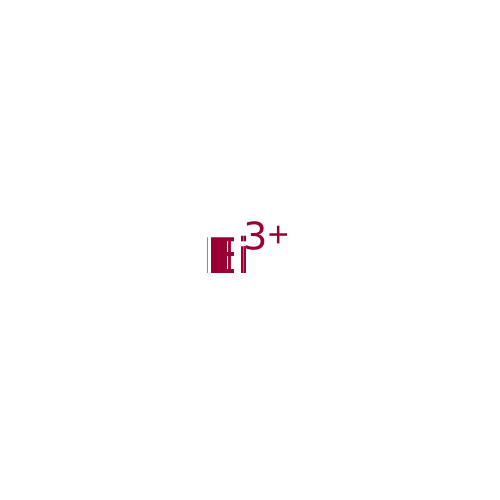 | |||||||||||||||||||||||||||||||||||||||||||||
| Synonyms |
| |||||||||||||||||||||||||||||||||||||||||||||
| Chemical Formula | Bi | |||||||||||||||||||||||||||||||||||||||||||||
| Average Mass | 208.9804 Da | |||||||||||||||||||||||||||||||||||||||||||||
| Monoisotopic Mass | 208.98038 Da | |||||||||||||||||||||||||||||||||||||||||||||
| IUPAC Name | bismuth(3+) ion | |||||||||||||||||||||||||||||||||||||||||||||
| Traditional Name | bismuth(3+) ion | |||||||||||||||||||||||||||||||||||||||||||||
| CAS Registry Number | Not Available | |||||||||||||||||||||||||||||||||||||||||||||
| SMILES | [Bi+3] | |||||||||||||||||||||||||||||||||||||||||||||
| InChI Identifier | InChI=1S/Bi/q+3 | |||||||||||||||||||||||||||||||||||||||||||||
| InChI Key | JDIBGQFKXXXXPN-UHFFFAOYSA-N | |||||||||||||||||||||||||||||||||||||||||||||
| Experimental Spectra | ||||||||||||||||||||||||||||||||||||||||||||||
| Not Available | ||||||||||||||||||||||||||||||||||||||||||||||
| Predicted Spectra | ||||||||||||||||||||||||||||||||||||||||||||||
| Not Available | ||||||||||||||||||||||||||||||||||||||||||||||
| Chemical Shift Submissions | ||||||||||||||||||||||||||||||||||||||||||||||
| Not Available | ||||||||||||||||||||||||||||||||||||||||||||||
| Species | ||||||||||||||||||||||||||||||||||||||||||||||
| Species of Origin | Not Available | |||||||||||||||||||||||||||||||||||||||||||||
| Chemical Taxonomy | ||||||||||||||||||||||||||||||||||||||||||||||
| Description | Belongs to the class of inorganic compounds known as homogeneous post-transition metal compounds. These are inorganic compounds containing only metal atoms,with the largest atom being a post-transition metal atom. | |||||||||||||||||||||||||||||||||||||||||||||
| Kingdom | Inorganic compounds | |||||||||||||||||||||||||||||||||||||||||||||
| Super Class | Homogeneous metal compounds | |||||||||||||||||||||||||||||||||||||||||||||
| Class | Homogeneous post-transition metal compounds | |||||||||||||||||||||||||||||||||||||||||||||
| Sub Class | Not Available | |||||||||||||||||||||||||||||||||||||||||||||
| Direct Parent | Homogeneous post-transition metal compounds | |||||||||||||||||||||||||||||||||||||||||||||
| Alternative Parents | Not Available | |||||||||||||||||||||||||||||||||||||||||||||
| Substituents |
| |||||||||||||||||||||||||||||||||||||||||||||
| Molecular Framework | Not Available | |||||||||||||||||||||||||||||||||||||||||||||
| External Descriptors |
| |||||||||||||||||||||||||||||||||||||||||||||
| Physical Properties | ||||||||||||||||||||||||||||||||||||||||||||||
| State | Not Available | |||||||||||||||||||||||||||||||||||||||||||||
| Experimental Properties |
| |||||||||||||||||||||||||||||||||||||||||||||
| Predicted Properties |
| |||||||||||||||||||||||||||||||||||||||||||||
| External Links | ||||||||||||||||||||||||||||||||||||||||||||||
| HMDB ID | HMDB0002196 | |||||||||||||||||||||||||||||||||||||||||||||
| DrugBank ID | Not Available | |||||||||||||||||||||||||||||||||||||||||||||
| Phenol Explorer Compound ID | Not Available | |||||||||||||||||||||||||||||||||||||||||||||
| FoodDB ID | FDB022898 | |||||||||||||||||||||||||||||||||||||||||||||
| KNApSAcK ID | Not Available | |||||||||||||||||||||||||||||||||||||||||||||
| Chemspider ID | 94857 | |||||||||||||||||||||||||||||||||||||||||||||
| KEGG Compound ID | C15471 | |||||||||||||||||||||||||||||||||||||||||||||
| BioCyc ID | Not Available | |||||||||||||||||||||||||||||||||||||||||||||
| BiGG ID | Not Available | |||||||||||||||||||||||||||||||||||||||||||||
| Wikipedia Link | Bismuth | |||||||||||||||||||||||||||||||||||||||||||||
| METLIN ID | Not Available | |||||||||||||||||||||||||||||||||||||||||||||
| PubChem Compound | 105143 | |||||||||||||||||||||||||||||||||||||||||||||
| PDB ID | Not Available | |||||||||||||||||||||||||||||||||||||||||||||
| ChEBI ID | 85545 | |||||||||||||||||||||||||||||||||||||||||||||
| Good Scents ID | Not Available | |||||||||||||||||||||||||||||||||||||||||||||
| References | ||||||||||||||||||||||||||||||||||||||||||||||
| General References |
| |||||||||||||||||||||||||||||||||||||||||||||
