Showing NP-Card for Na+ (NP0334653)
| Record Information | |||||||||||||||||||||||||||||||||||||||||||||||||
|---|---|---|---|---|---|---|---|---|---|---|---|---|---|---|---|---|---|---|---|---|---|---|---|---|---|---|---|---|---|---|---|---|---|---|---|---|---|---|---|---|---|---|---|---|---|---|---|---|---|
| Version | 2.0 | ||||||||||||||||||||||||||||||||||||||||||||||||
| Created at | 2024-09-10 19:19:32 UTC | ||||||||||||||||||||||||||||||||||||||||||||||||
| Updated at | 2024-09-10 19:19:33 UTC | ||||||||||||||||||||||||||||||||||||||||||||||||
| NP-MRD ID | NP0334653 | ||||||||||||||||||||||||||||||||||||||||||||||||
| Secondary Accession Numbers | None | ||||||||||||||||||||||||||||||||||||||||||||||||
| Natural Product Identification | |||||||||||||||||||||||||||||||||||||||||||||||||
| Common Name | Na+ | ||||||||||||||||||||||||||||||||||||||||||||||||
| Description | Sodium, also known as Na+ or sodium ion, belongs to the class of inorganic compounds known as homogeneous alkali metal compounds. These are inorganic compounds containing only metal atoms,with the largest atom being a alkali metal atom. Sodium is a weakly acidic compound (based on its pKa). Sodium exists in all living species, ranging from bacteria to humans. In humans, sodium is involved in the metabolic disorder called the triamterene action pathway. Outside of the human body, Sodium has been detected, but not quantified in, several different foods, such as cashew nuts, sugar apples, oregon yampahs, hazelnuts, and turnips. This could make sodium a potential biomarker for the consumption of these foods. Physiologically, it exists as an ion in the body. Sodium, with regard to humans, has been found to be associated with several diseases such as lipoid congenital adrenal hyperplasia, congenital secretory diarrhea, bartter syndrome, type 4b, neonatal, with sensorineural deafness, and adrenal hyperplasia, congenital, due to 3-beta-hydroxysteroid dehydrogenase 2 deficiency; sodium has also been linked to the inborn metabolic disorder primary hypomagnesemia. Sodium ions are necessary for regulation of blood and body fluids, transmission of nerve impulses, heart activity, and certain metabolic functions. Sodium is needed by animals, which maintain high concentrations in their blood and extracellular fluids, but the ion is not needed by plants. For certain people with salt-sensitive blood pressure, this extra intake may cause a negative effect on health. Na+ was first documented in 2005 (PMID: 16045895). Most people consume far more sodium than is physiologically needed (PMID: 17066056) (PMID: 16580612). | ||||||||||||||||||||||||||||||||||||||||||||||||
| Structure | 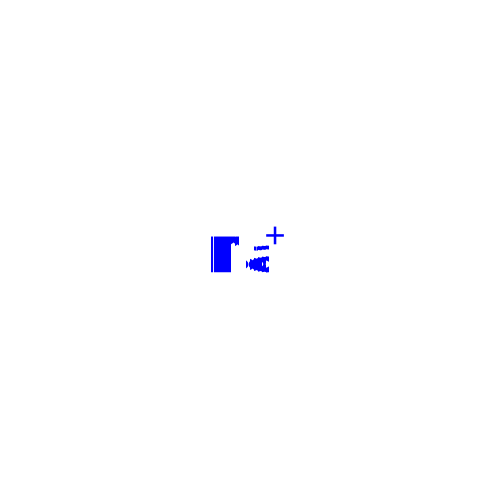 | ||||||||||||||||||||||||||||||||||||||||||||||||
| Synonyms |
| ||||||||||||||||||||||||||||||||||||||||||||||||
| Chemical Formula | Na | ||||||||||||||||||||||||||||||||||||||||||||||||
| Average Mass | 22.9898 Da | ||||||||||||||||||||||||||||||||||||||||||||||||
| Monoisotopic Mass | 22.98977 Da | ||||||||||||||||||||||||||||||||||||||||||||||||
| IUPAC Name | sodium(1+) ion | ||||||||||||||||||||||||||||||||||||||||||||||||
| Traditional Name | sodium(1+) ion | ||||||||||||||||||||||||||||||||||||||||||||||||
| CAS Registry Number | Not Available | ||||||||||||||||||||||||||||||||||||||||||||||||
| SMILES | [Na+] | ||||||||||||||||||||||||||||||||||||||||||||||||
| InChI Identifier | InChI=1S/Na/q+1 | ||||||||||||||||||||||||||||||||||||||||||||||||
| InChI Key | FKNQFGJONOIPTF-UHFFFAOYSA-N | ||||||||||||||||||||||||||||||||||||||||||||||||
| Experimental Spectra | |||||||||||||||||||||||||||||||||||||||||||||||||
| Not Available | |||||||||||||||||||||||||||||||||||||||||||||||||
| Predicted Spectra | |||||||||||||||||||||||||||||||||||||||||||||||||
| Not Available | |||||||||||||||||||||||||||||||||||||||||||||||||
| Chemical Shift Submissions | |||||||||||||||||||||||||||||||||||||||||||||||||
| Not Available | |||||||||||||||||||||||||||||||||||||||||||||||||
| Species | |||||||||||||||||||||||||||||||||||||||||||||||||
| Species of Origin | Not Available | ||||||||||||||||||||||||||||||||||||||||||||||||
| Chemical Taxonomy | |||||||||||||||||||||||||||||||||||||||||||||||||
| Description | Belongs to the class of inorganic compounds known as homogeneous alkali metal compounds. These are inorganic compounds containing only metal atoms,with the largest atom being a alkali metal atom. | ||||||||||||||||||||||||||||||||||||||||||||||||
| Kingdom | Inorganic compounds | ||||||||||||||||||||||||||||||||||||||||||||||||
| Super Class | Homogeneous metal compounds | ||||||||||||||||||||||||||||||||||||||||||||||||
| Class | Homogeneous alkali metal compounds | ||||||||||||||||||||||||||||||||||||||||||||||||
| Sub Class | Not Available | ||||||||||||||||||||||||||||||||||||||||||||||||
| Direct Parent | Homogeneous alkali metal compounds | ||||||||||||||||||||||||||||||||||||||||||||||||
| Alternative Parents | Not Available | ||||||||||||||||||||||||||||||||||||||||||||||||
| Substituents |
| ||||||||||||||||||||||||||||||||||||||||||||||||
| Molecular Framework | Not Available | ||||||||||||||||||||||||||||||||||||||||||||||||
| External Descriptors |
| ||||||||||||||||||||||||||||||||||||||||||||||||
| Physical Properties | |||||||||||||||||||||||||||||||||||||||||||||||||
| State | Not Available | ||||||||||||||||||||||||||||||||||||||||||||||||
| Experimental Properties |
| ||||||||||||||||||||||||||||||||||||||||||||||||
| Predicted Properties |
| ||||||||||||||||||||||||||||||||||||||||||||||||
| External Links | |||||||||||||||||||||||||||||||||||||||||||||||||
| HMDB ID | HMDB0000588 | ||||||||||||||||||||||||||||||||||||||||||||||||
| DrugBank ID | Not Available | ||||||||||||||||||||||||||||||||||||||||||||||||
| Phenol Explorer Compound ID | Not Available | ||||||||||||||||||||||||||||||||||||||||||||||||
| FoodDB ID | FDB031052 | ||||||||||||||||||||||||||||||||||||||||||||||||
| KNApSAcK ID | Not Available | ||||||||||||||||||||||||||||||||||||||||||||||||
| Chemspider ID | 899 | ||||||||||||||||||||||||||||||||||||||||||||||||
| KEGG Compound ID | C01330 | ||||||||||||||||||||||||||||||||||||||||||||||||
| BioCyc ID | Not Available | ||||||||||||||||||||||||||||||||||||||||||||||||
| BiGG ID | 37376 | ||||||||||||||||||||||||||||||||||||||||||||||||
| Wikipedia Link | Sodium | ||||||||||||||||||||||||||||||||||||||||||||||||
| METLIN ID | 3192 | ||||||||||||||||||||||||||||||||||||||||||||||||
| PubChem Compound | 923 | ||||||||||||||||||||||||||||||||||||||||||||||||
| PDB ID | Not Available | ||||||||||||||||||||||||||||||||||||||||||||||||
| ChEBI ID | 29101 | ||||||||||||||||||||||||||||||||||||||||||||||||
| Good Scents ID | Not Available | ||||||||||||||||||||||||||||||||||||||||||||||||
| References | |||||||||||||||||||||||||||||||||||||||||||||||||
| General References |
| ||||||||||||||||||||||||||||||||||||||||||||||||